Home · Services · Flat and Low-Slope Roof Repair
Flat and Low-Slope Roof Repair in Mount Vernon, NY
Quick answer
Porch roofs, additions, and other low-slope sections across the city are judged by ponding before age. Standing water after long rain, especially on flat sections above the Hutchinson River flats, decides whether a section needs drainage correction, resurfacing, or replacement.
Flat and Low-Slope Roof Repair in Mount Vernon starts with the local read: historic brick apartment buildings and older homes near the center, postwar capes and colonials on the north side, co op and condo stock along the corridors, and large older houses on the hill streets. The Hutchinson River side of the service area and the city's cold snowy winters, warm humid summers, and coastal storm remnants set the order of work, and the scope names that order in writing before anyone commits to a price.
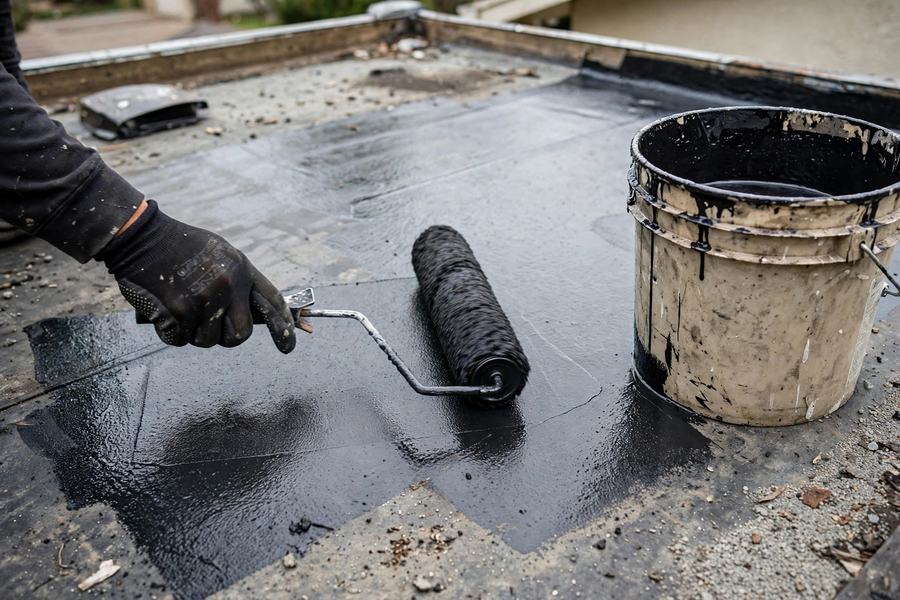
How we approach this job
Diagnosis and insurance documentation: For flat and low-slope roof repair in Mount Vernon, the buying situation is a problem with a cause: find the real source, document it with photographs and readings for any claim, and only then price the fix.
Signs you need flat and low-slope roof repair
- Daylight or damp decking visible in the attic. It usually means patch on patch has reached its limit; the section, or the roof, needs a real assembly decision.
- A patio or flat section that holds water for days. It usually means patch on patch has reached its limit; the section, or the roof, needs a real assembly decision.
- A ceiling stain that grows after rain. It usually means water is standing longer than the surface was built to hold it.
- Shingles or tiles on the ground after wind. It usually means the drain path, not the membrane, is usually the first failure.
What the job involves
What affects the price
- The failed detail: flashing, valley, vent, or field material
- Layer count and the condition of what lies beneath
- Slope, access, and story height
- Whether a section or the full roof is the honest scope
- Permit requirements for replacement work
When it is an emergency
An open roof is an emergency in any forecast: one storm through a lifted section can wet ceilings, insulation, and wiring. Tarping is temporary protection, not a repair, and it should be priced as its own visit.
PLACEHOLDERFlat and Low-Slope Roof Repair across the Mount Vernon area
Related services
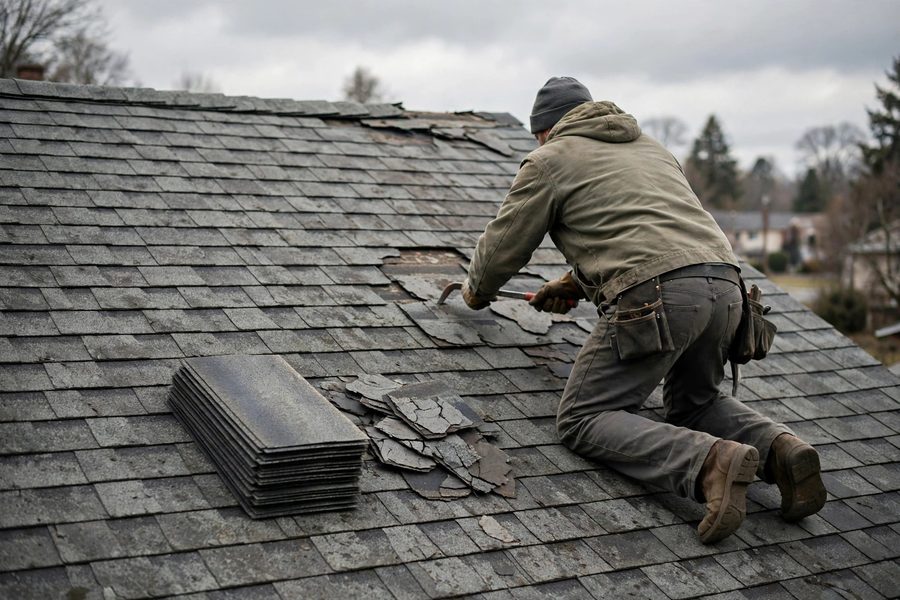
Roof Repair
Each repair is priced around the specific slope and detail that failed, with photos documenting every finding. That keeps a contained job contained. When the wider slope is itself giving way, the scope says so early, before money goes into a patch its surrounding material cannot hold.
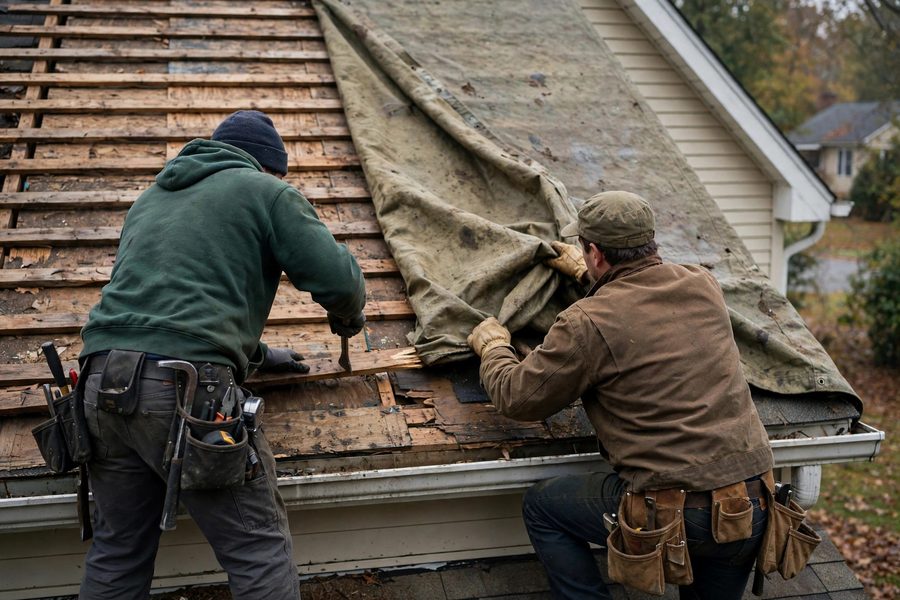
Emergency Roof Tarping
A tarp is only a temporary weather seal, not a repair. The crew secures the damaged area, photographs what was found, and leaves the covering to buy time for a proper scope. After coastal storm remnants pass over Mount Vernon, that record also preserves the evidence a claim depends on.
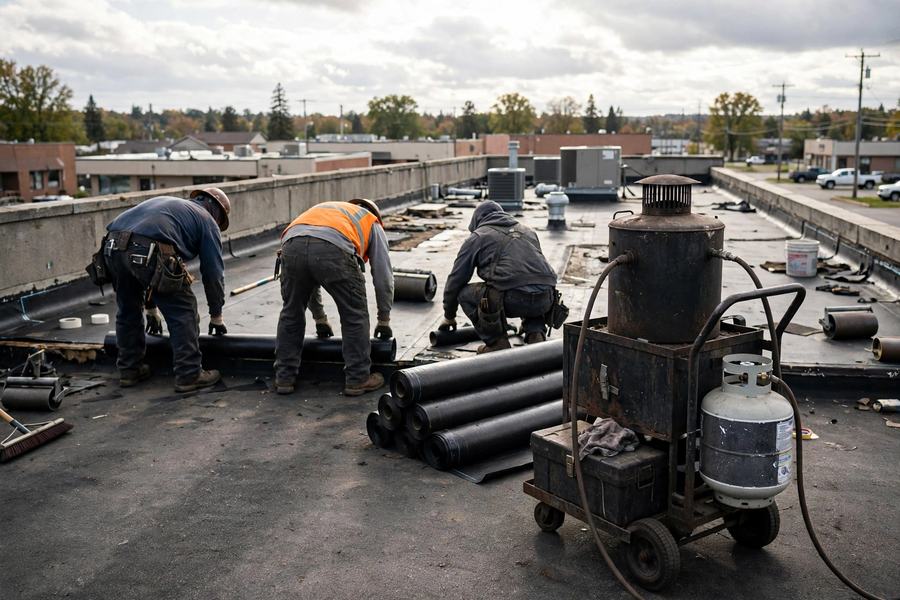
Commercial Roofing
Brick apartment buildings, co-op and condo stock along Mount Vernon's corridors, and institutional roofs need documentation managers and boards can act on. Scopes are written for the record, with phased work and access plans stated before pricing, not added after questions arise.
Roof Leak Repair
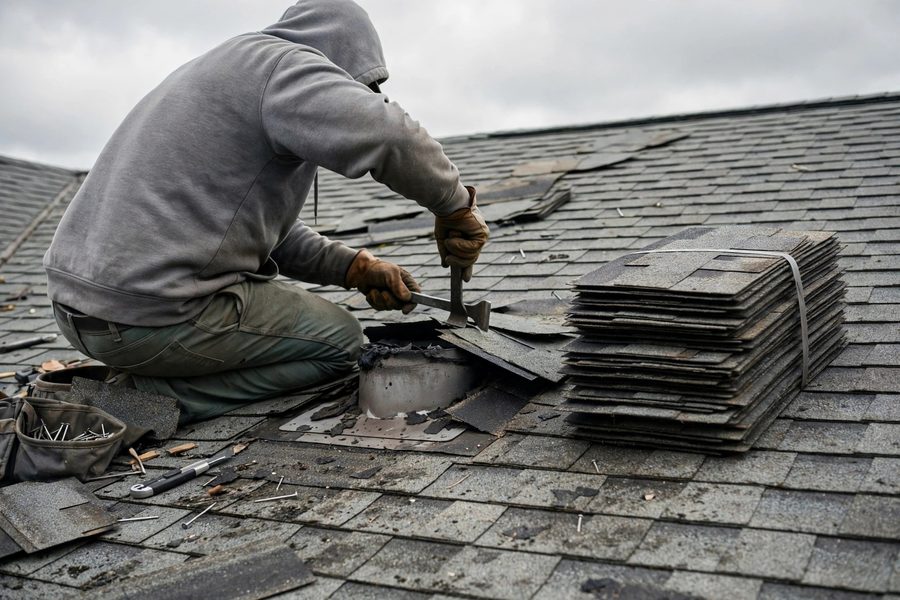
Work begins uphill from the ceiling stain and traces the water's actual route down through decking and flashing. Landing the fix on the entry point, instead of sealing over the symptom, is what keeps a Mount Vernon leak from reappearing after the next driving rain.
Flat and Low-Slope Roof Repair questions, answered
When is flat and low-slope roof repair an emergency?
An open roof is an emergency in any forecast: one storm through a lifted section can wet ceilings, insulation, and wiring. Tarping is temporary protection, not a repair, and it should be priced as its own visit.
What affects the price of flat and low-slope roof repair in Mount Vernon?
The main price factors for flat and low-slope roof repair are covered in the cost section above. The contractor confirms the exact price in a written estimate after seeing the job, and nothing is owed until you approve it. The call and the referral are free.
My roof is leaking. Can it wait until the weekend?
When water is actively entering, protect drywall and belongings today: place a bucket beneath the drip, move what can be moved, and call the same day. Water pooled above a ceiling can collapse it, so keep people clear of any bulging section. A dry stain that grows only after rain can wait for a scheduled inspection within the week. Anything visibly open from the ground, such as missing shingles or lifted flashing, should not wait beyond the next rain in Mount Vernon, because the coming storm will use that entry.
Hail hit our street. Is it worth having the roof checked before filing anything?
Yes, and sequence matters: inspection first, claim decision second. Hail damage that counts is functional, meaning fractured or bruised shingle mats that shorten the roof's remaining life, documented in test squares on each slope. Dents in soft metals and gutters corroborate the finding. An inspection produces dated photographs and a per-slope record; holding that, the claim decision becomes arithmetic against your deductible and your wind and hail terms. Filing before documenting is how storm claims end up disputed.
Is a metal roof worth it versus shingles?
Metal costs roughly double shingles up front and commonly lasts two to three times as long, with strong wind performance among the common systems. It asks for fastener and seam upkeep over its life rather than wholesale replacement. Shingles cost less today and repair easily in small sections, which suits many Mount Vernon capes and colonials. The fair comparison is cost per year of service given your exposure, including snow and storm remnants here, and a roofer should be able to show that arithmetic for both materials.
Request a callback
Prefer to talk later? Leave your details and an independent local pro will call you back. No charge to you, no obligation.
Hutchinson River Roofing is a free referral service. Submitting this form connects you with independent local contractors who provide the work.